
By JRose Wellness
When life keeps asking for more (more work, more availability, more of you), taking time for yourself can feel uncomfortable, even wrong. Many people carry a quiet belief that meeting their own needs is selfish. The opposite is closer to the truth.
Self-care is not a luxury. It is part of how you protect your mental health, handle stress, and keep showing up for the people and responsibilities that matter to you. When you look after yourself, you are not taking anything away from others. You are making sure you have something left to give.
What self-care really means
Self-care is more than bubble baths and spa days, though those can be part of it. At its core, it is any intentional thing you do to protect or improve how you feel, physically and emotionally. That starts with the basics: enough sleep, regular meals, and some movement. It also includes the things that help you feel like yourself again.
Self-care can be as simple as setting limits on your time, saying no to commitments that drain you, asking for help when you are struggling, or taking a few quiet minutes each day. It means noticing your limits and respecting them. You are human, and refilling your tank is necessary.
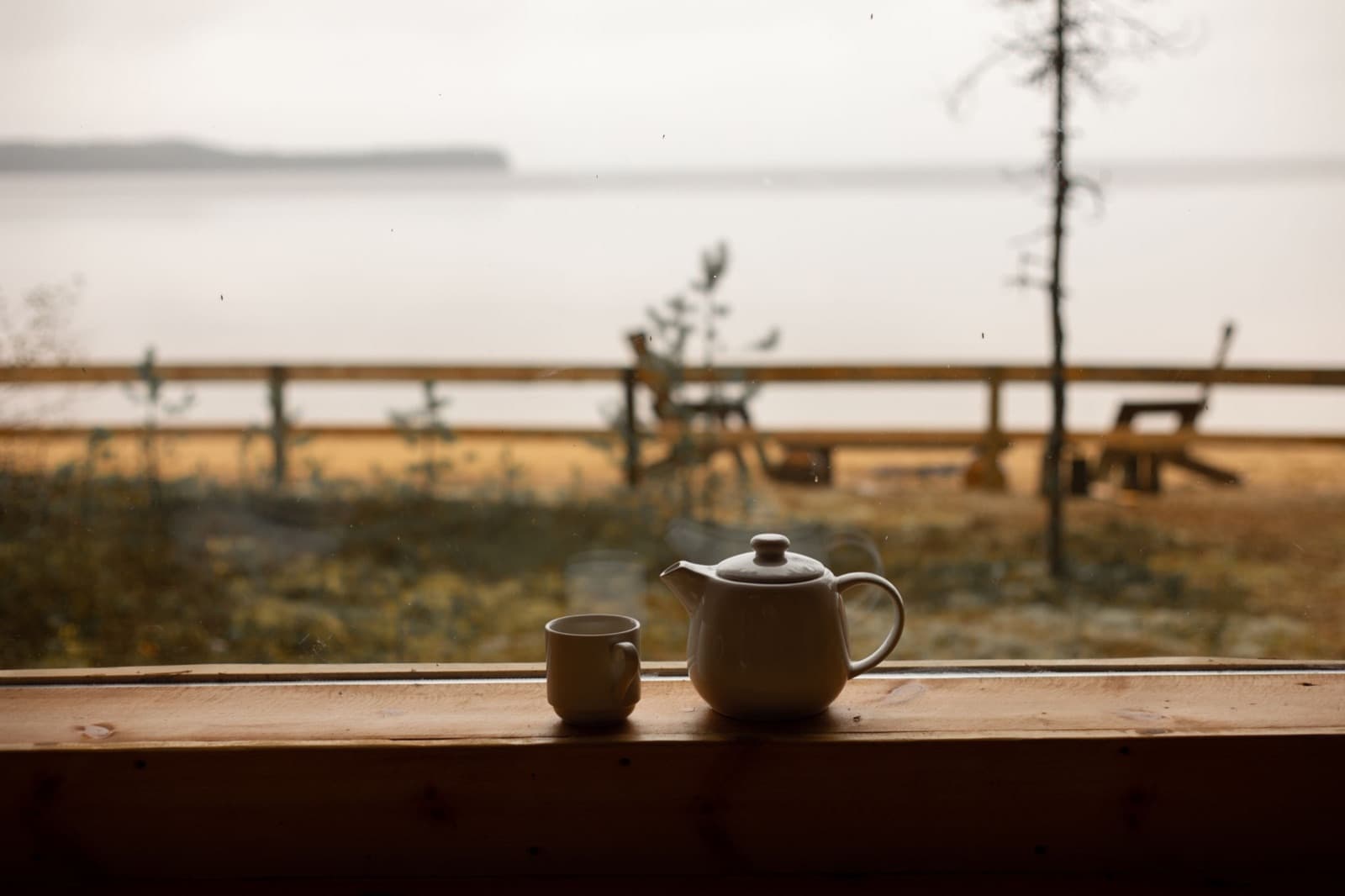
You can't pour from an empty cup. Taking care of yourself is the foundation for taking care of everything else.
The cost of always putting yourself last
When your own needs stay at the bottom of the list, the strain adds up. Ongoing stress without time to recover can lead to burnout: feeling emotionally, physically, and mentally exhausted in a way that touches every part of your life. It can also make anxiety, low mood, and irritability harder to manage.
There is an irony here. When you give up your own well-being for others, you often become less able to help them. A parent running on empty has less patience. A caregiver who never rests starts to feel resentful. A professional who never switches off finds it harder to focus.
The guilt many people feel about self-care often comes from deep beliefs about worth, productivity, and what it means to be a “good” person. Noticing those beliefs, and questioning them, can be a real turning point.
Why it matters for your mental health
Sleep, rest, connection, and time for things you enjoy all affect how steady you feel. When they are in short supply, stress hits harder, emotions run closer to the surface, and small problems can feel huge. When they are protected, you have more room to cope.
Self-compassion matters too: treating yourself with the kindness you would offer a friend. It is not self-indulgent. It gives you a steadier place to stand when things are hard.
Self-care supports your mental health, but it is not a cure. If you are doing all the “right” things and still struggling, that is not a personal failure. It may be a sign that it is time to talk with a professional.
Practical self-care strategies
Sustainable self-care does not require big life changes. Small, steady actions in your daily routine can make a real difference. The key is finding what actually restores you, not what looks good on social media.
- Set boundaries you keep. Protect time for rest, meals, and sleep. Say what you need clearly, and practice saying no to requests that crowd those things out.
- Protect your sleep. Keep a steady sleep schedule, build a calming bedtime routine, and make your bedroom a comfortable place to rest.
- Move your body. Find movement you enjoy, such as walking, dancing, yoga, or swimming, and make it a regular part of your week.
- Stay connected. Make time for people who support you, and reach out when you need them.
- Practice mindfulness. A few minutes of slow breathing or simply noticing your surroundings can take the edge off stress. Start small.
- Do things you enjoy. Hobbies, creative projects, and time outdoors are not frivolous. They help you feel like yourself.
- Get professional support when you need it. Talking with a mental health professional is not a sign of weakness. It is one of the most useful forms of self-care there is.
Getting past the barriers
Even when self-care makes sense in theory, doing it can be hard. Common barriers include time, money, caregiving duties, and guilt. Naming them makes it easier to work around them.
If time is tight, remember that self-care does not require hours. Five minutes of slow breathing, a short walk, or a pause before you say yes all count. If money is tight, lean on low-cost options: a walk outside, a call with a friend, or a few minutes of quiet. If you care for others, remember that you are more patient and present when your own needs are met, and that you are showing them how to care for themselves too.
For the guilt, try asking yourself: Would I judge a friend for resting when they are tired? Would I expect someone I love to give endlessly without ever refilling? Offering yourself the same compassion is not selfish. It is wise.
Making self-care last
Self-care is not a one-time fix. It is an ongoing way of treating yourself with kindness and respect. It needs adjusting as life changes, and patience with yourself when you fall short. Start small, notice progress, and remember that you do not have to earn care before you are allowed to have it.
If stress, anxiety, or low mood are making it hard to look after yourself, professional support can help. At JRose Wellness, Jessica Logel, MSN, PMHNP-BC, FNP sees adolescents 15 and older, adults, and older adults in Connecticut by secure video for psychiatric evaluation, medication management when it fits, and supportive therapy within visits. Reaching out is itself an act of self-care.