

Skip to content
JRose WellnessTelehealth psychiatry

Guide

Psychiatric Nurse Practitioner vs Psychiatrist: What Is the Difference?

Both can evaluate your symptoms, make a diagnosis, and prescribe medication. Here is how their training differs, and what matters most when you choose.

Smiling woman wearing headphones talking to someone on a laptop at a wooden kitchen table

The short version

Two paths to the same kind of care

If you are looking for help with anxiety, depression, ADHD, or another mental health concern, you will likely come across two kinds of prescribing clinicians: psychiatric nurse practitioners and psychiatrists. Both are trained to assess mental health, make a diagnosis, and manage treatment, including medication.

The biggest difference is the path each one took to get there. A psychiatric nurse practitioner is an advanced practice registered nurse (APRN). A psychiatrist is a physician, with a medical degree (MD or DO) and residency training in psychiatry.

Neither is the better choice for everyone. The right fit depends on what you need, and on finding someone you feel comfortable being honest with.

Side by side

How the two roles compare

The training is different. Much of the day-to-day care can look similar.

Profession

Psychiatric nurse practitioner
An advanced practice registered nurse (APRN) who specializes in psychiatric and mental health care.
Psychiatrist
A physician (MD or DO) who specializes in psychiatry.

Training

Psychiatric nurse practitioner
Nursing education and licensure as a registered nurse, then a graduate degree (master’s or doctorate) in psychiatric-mental health nursing.
Psychiatrist
Medical school, then a residency in psychiatry. Some add fellowship training in an area such as addiction or geriatric psychiatry.

Board certification

Psychiatric nurse practitioner
National board certification as a psychiatric-mental health nurse practitioner.
Psychiatrist
Board certification in psychiatry through a medical specialty board.

State license

Psychiatric nurse practitioner
Licensed by the state as a registered nurse and as an APRN.
Psychiatrist
Licensed by the state as a physician.

Evaluate and diagnose

Psychiatric nurse practitioner
Yes. Assesses your symptoms and history and makes a diagnosis.
Psychiatrist
Yes. Assesses your symptoms and history and makes a diagnosis.

Prescribe medication

Psychiatric nurse practitioner
Yes, within the scope each state sets for nurse practitioners.
Psychiatrist
Yes.

Therapy

Psychiatric nurse practitioner
Varies by clinician. Many offer medication management with brief therapeutic support, and refer to a therapist when needed.
Psychiatrist
Varies by clinician. Some provide psychotherapy. Others focus on evaluation and medication and work alongside a therapist.

Where they work

Psychiatric nurse practitioner
Outpatient practices, hospitals, community clinics, and telehealth.
Psychiatrist
Outpatient practices, hospitals, community clinics, specialty programs, and telehealth.

Scope of practice for nurse practitioners is set by each state, so details vary from state to state. This table is general information, not legal or medical advice.

A closer look

Understanding each option

Psychiatric nurse practitioner

What a psychiatric NP does

In Jessica’s words: “A Psych NP is an advanced practice nurse who assesses, diagnoses, and treats mental health conditions. Treatment may include medication management, therapy, education, and lifestyle support.”

Psychiatric NPs start as registered nurses, then complete graduate training focused on psychiatric assessment, diagnosis, and treatment, including prescribing. They pass a national board certification exam and are licensed by their state as an APRN.

Many work in outpatient practices and telehealth, where they provide psychiatric evaluations, ongoing medication management, and supportive therapy within visits.

Psychiatrist

What a psychiatrist does

A psychiatrist is a physician who specializes in mental health. After medical school, psychiatrists complete a residency in psychiatry, and some go on to fellowship training in a specific area.

Their medical training covers the whole body, which prepares them to manage mental health conditions alongside complex medical illness. Psychiatrists work in outpatient practices, hospitals, and specialty programs, and some also provide psychotherapy.

A psychiatrist can be an especially good fit when mental health symptoms overlap with complex medical conditions, or when you need hospital-based or specialized treatment.

Beyond the title

What matters more than the letters after a name

Whichever kind of clinician you see, these questions tell you more about fit than the title alone.
  • Experience with your concerns

    Ask which conditions and age groups the clinician works with most, and whether your concerns are a good match.

  • How visits work

    Ask how follow-ups are scheduled and whether therapy is part of visits or handled by a separate therapist.

  • Coverage and cost

    Check whether the clinician works with your insurance plan, and what self-pay visits cost if you are paying directly.

  • Feeling heard

    You should feel comfortable being honest. A good fit with the person matters for any kind of clinician.

  • Licensing you can check

    Every licensed clinician’s license can be looked up with the state. In Connecticut, that is the state’s online license lookup.

  • Knowing when to refer

    A good clinician will tell you when your needs are better met by a different kind of care, and help you find it.

How to decide

Which one fits what you need?

These are general pointers, not rules. When in doubt, ask. A first visit is a good place to find out whether the fit is right.

A psychiatric NP may be a good fit if you:

  • are looking for an evaluation, a diagnosis, and a treatment plan for a mental health concern
  • want ongoing medication management with regular follow-up visits
  • want supportive therapy as part of your visits (ask, since this varies)
  • have found a psychiatric NP whose experience matches your concerns and who works with your insurance or offers self-pay

A psychiatrist may be a good fit if you:

  • have complex medical conditions that interact with your mental health symptoms
  • need hospital-based care or a specialized treatment program
  • have been advised by another clinician to see a psychiatrist
  • have found a psychiatrist whose experience matches your concerns and who works with your insurance
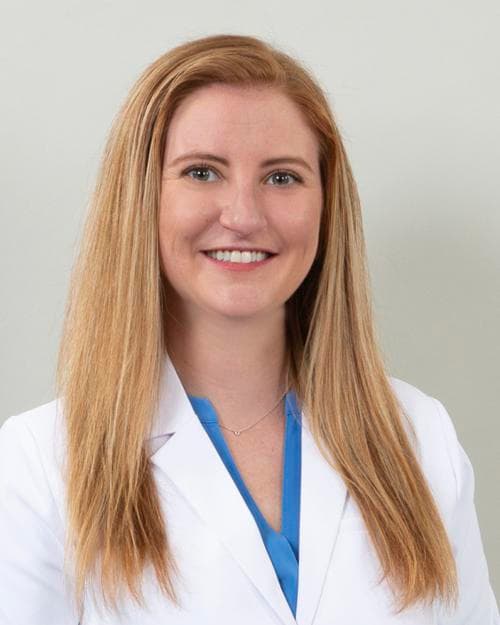
Jessica Logel, MSN, PMHNP-BC, FNP, smiling in a white coat

About Jessica

Care with a psychiatric NP at JRose Wellness

Jessica Logel, MSN, PMHNP-BC, FNP, is a board-certified psychiatric nurse practitioner and a family nurse practitioner. She is not a physician. She is licensed in Connecticut to evaluate, diagnose, treat, and prescribe, and she sees adolescents 15 and older, adults, and older adults by secure video, for patients in Connecticut.

Licensed in Connecticut as a registered nurse since 2017 and as an advanced practice registered nurse (APRN) since 2021. Education: Master of Science in Nursing (MSN), Pace University.

Visits combine medication management with supportive therapy. In her words: “Many Psych NPs offer medication management and brief therapeutic interventions. I will provide supportive therapy during our sessions and may refer you to a therapist if needed.” You can read more on the About Jessica page.

“I'm a Board Certified Psychiatric Nurse Practitioner, Family Nurse Practitioner and the founder of JRose Wellness PLLC, where whole-person mental health care is the priority.”

Jessica Logel, MSN, PMHNP-BC, FNP

Questions

Common questions

Is a psychiatric NP a psychiatrist?

No. Jessica is a board-certified psychiatric-mental health nurse practitioner (an APRN), not a physician, and is licensed in Connecticut to evaluate, diagnose, treat, and prescribe.

What does a psychiatric nurse practitioner (Psych NP) do?

A Psych NP is an advanced practice nurse who assesses, diagnoses, and treats mental health conditions. Treatment may include medication management, therapy, education, and lifestyle support.

Do you provide therapy, medication management, or both?

Many Psych NPs offer medication management and brief therapeutic interventions. I will provide supportive therapy during our sessions and may refer you to a therapist if needed.

Will you prescribe controlled substances?

Possibly. Prescribing is based on a careful assessment, diagnosis, safety considerations, and state regulations.

Can I use insurance to see a psychiatric nurse practitioner?

Often, yes, depending on your plan. At JRose Wellness, you can use insurance by booking through Alma or through Headway, and plans are listed on the Insurance page. You can also request a self-pay visit directly with the practice.

When might a psychiatrist be a better fit?

When mental health symptoms overlap with complex medical conditions, when you need hospital-based or specialized treatment, or when another clinician has advised it. If your needs call for a different kind of care, that is worth talking about openly.

Book a visit

Ready to talk it through?

Use your insurance by booking through Alma or Headway, or request a self-pay visit directly with the practice. Every visit is by secure video.

Insurance

Through Alma

Plans include

  • Aetna
  • Anthem Blue Cross and Blue Shield Connecticut
  • Carelon Behavioral Health, Inc.
  • Cigna
  • and more

Intake appointments booked through Alma are 45 minutes, by video.

Insurance

Through Headway

Plans include

  • Aetna
  • Anthem Blue Cross and Blue Shield
  • Carelon Behavioral Health
  • Cigna
  • and more

See open times and check your coverage on Headway.

Self-pay

Pay directly

Initial Evaluation
$400
Follow-Up & Medication Management
$100

Self-pay visits are booked by request. Send one online or call, and we will follow up to schedule.

Plans listed as of September 2026. See every plan and self-pay detail