
Skip to content
JRose WellnessTelehealth psychiatry

Guide

Telehealth vs In-Person Psychiatric Care: Which Fits You?

Video visits and office visits can both support good psychiatric care. Here is how they differ, and how to tell which one fits your life and your needs.

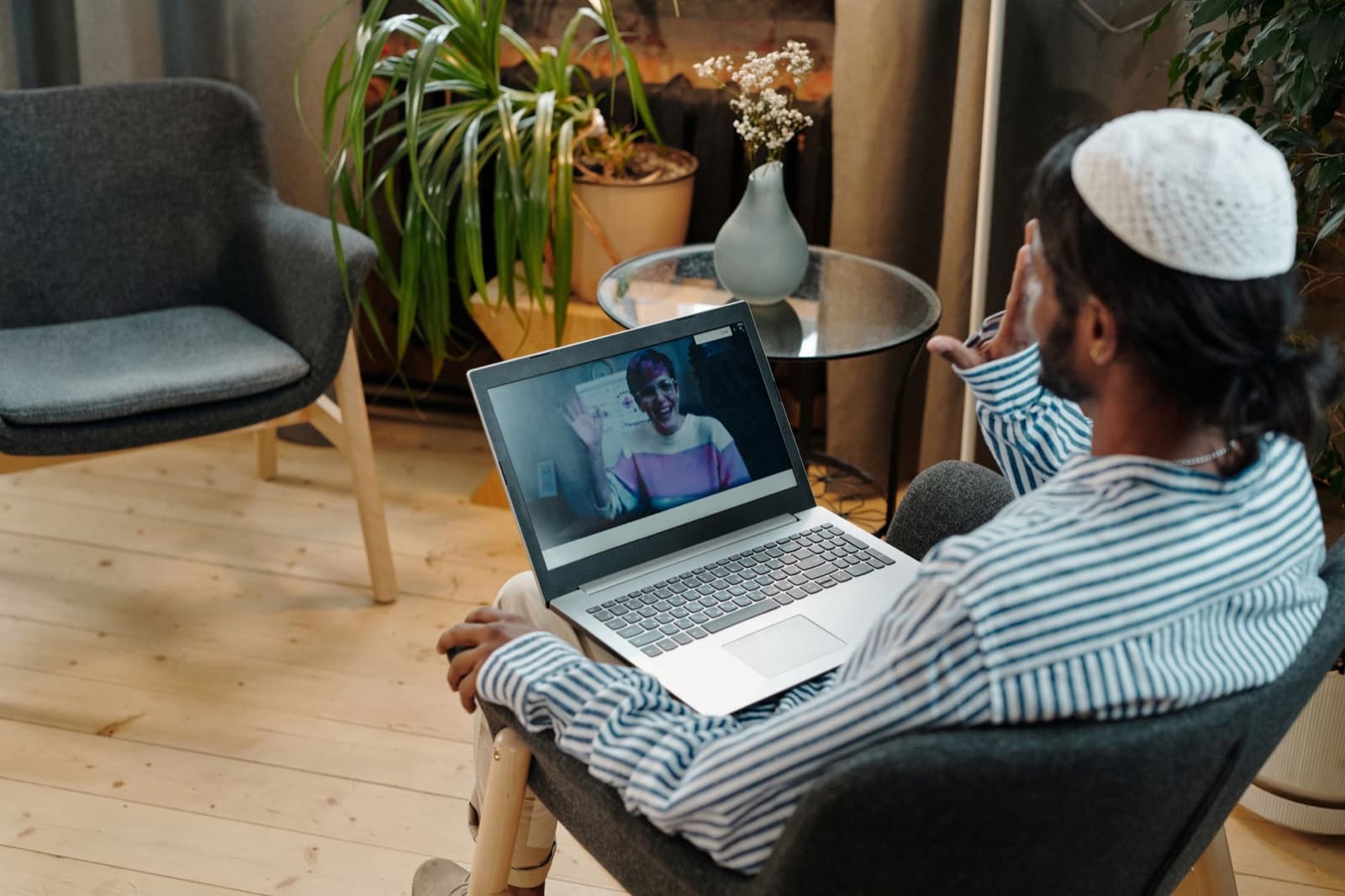
Man in a striped shirt and white cap sitting in an armchair at home, waving to a woman on a laptop video call

The short version

Same kind of care, a different room

Psychiatric care is mostly conversation: talking through your history, your symptoms, your goals, and how treatment is going. That is a big part of why it can work well over a secure video visit.

Telehealth is not the right fit for every person or every situation, though. In-person care still matters when you need a hands-on exam, when home is not a private place to talk, or when you need more support than a regular outpatient visit can give.

JRose Wellness is telehealth only. As the practice puts it, sessions are “conducted securely through telehealth, allowing you to receive care from the comfort and privacy of your home.”

Side by side

Video visits and office visits, side by side

The conversation is much the same. The logistics are what change.

Where you meet

Telehealth (video)
From home or another private space, by secure video.
In person
At a clinic or office.

Getting there

Telehealth (video)
No commuting or long waiting rooms.
In person
Travel, parking, and time in a waiting room.

Fitting it into your day

Telehealth (video)
Easier to fit around work or school, since there is no travel time.
In person
Plan around the trip there and back.

Privacy

Telehealth (video)
No waiting room. You need a spot where you will not be overheard.
In person
A private room at the office, though others may see you arrive.

What you need

Telehealth (video)
A phone, tablet, or computer with a camera and microphone, and a steady internet connection.
In person
A way to get to the office.

Physical exams

Telehealth (video)
Limited to what can be seen and discussed on video.
In person
A hands-on exam and in-office checks can happen at the visit.

Often a good fit for

Telehealth (video)
Evaluations, medication management, follow-ups, and supportive therapy for many outpatient concerns.
In person
People who need hands-on care, prefer face-to-face visits, or do not have a private space or reliable internet at home.

A closer look

Understanding each option

Telehealth

What a video visit is like

A video visit works much like any other appointment. You talk through what brings you in, your symptoms, your history, and your goals, and you leave with a plan. Follow-ups check on how you are doing and adjust treatment when needed.

Being at home can make it easier to open up, and skipping the drive can make it easier to keep appointments, especially when you are feeling low, anxious, or short on time.

The tradeoffs are practical. You need a private place to talk and a device that works, and anything that needs a hands-on exam happens elsewhere.


In person

What an office visit is like

In-person care happens at a clinic or office. Some people simply prefer sitting in the same room, and that preference is worth respecting.

Being in person also allows a hands-on exam and checks that cannot be done over video. For people who need more support than a regular outpatient visit can offer, in-person programs, such as intensive outpatient or hospital-based care, may be the right level of care.

The tradeoffs are travel time, scheduling around the trip, and time in a waiting room.

Before your visit

Getting the most out of a video visit

A few minutes of setup makes a video visit feel easy.
  • Find a private spot

    A room with a door you can close works well. Headphones add privacy if others are home.

  • Check your setup

    Charge your device, test your camera and microphone, and sit where your connection is steady.

  • Have your details handy

    Keep a list of your current and past medications, and anything you want to ask.

  • Jot down what is going on

    Note what you have been feeling, when it started, and what has helped or not helped so far.

  • Settle in

    Give yourself a few quiet minutes beforehand so you are not rushing in from something else.

  • Know where to turn in a crisis

    Not an emergency service. In crisis? Call or text 988, or call 911.

How to decide

Which setting fits you?

These are general pointers. You know your home, your schedule, and your comfort level best.

Telehealth may suit you if you:

  • want care without the commute or the waiting room
  • have a private place to talk and a device with a camera
  • are juggling work, school, or family and need care that fits around it
  • feel more comfortable opening up from home

In-person care may suit you if you:

  • need a physical exam or hands-on care as part of your treatment
  • do not have a private space or reliable internet at home
  • need more support than a regular outpatient visit can give
  • simply prefer being in the same room
Jessica Logel, MSN, PMHNP-BC, FNP, smiling in a white coat

At JRose Wellness

Telehealth is how every visit works here

Every visit at JRose Wellness is by secure video with Jessica Logel, MSN, PMHNP-BC, FNP, for patients in Connecticut. That includes your initial psychiatric evaluation, follow-up and medication management visits, and supportive therapy within visits.

Jessica sees adolescents 15 and older, adults, and older adults. You can use insurance by booking through Alma or through Headway, or pay directly: $400 for the initial evaluation (60 minutes), then $300 for a 45-minute therapy and medication management visit or $100 for a 15-minute visit. Intake appointments booked through Alma are 45 minutes, by video.

Curious what a first visit looks like? See your first visit or how telepsychiatry works.

Questions

Common questions

Do you offer virtual appointments only?

Yes, all sessions are conducted securely through telehealth, allowing you to receive care from the comfort and privacy of your home.

What do I need for a video visit?

A phone, tablet, or computer with a camera and microphone, a steady internet connection, and a private place where you can talk freely.

Is telehealth right for everyone?

No. It works for many outpatient concerns, but in-person or more intensive care fits better when you need a hands-on exam, do not have a private place to talk, or need more support than outpatient visits can give. If you are in crisis, call or text 988, or call 911.

Can I use insurance for telehealth visits?

Yes, by booking through Alma or through Headway. Plans are listed on the Insurance page. You can also pay directly: $400 for the initial evaluation (60 minutes), then $300 for a 45-minute therapy and medication management visit or $100 for a 15-minute visit.

Who can be seen at JRose Wellness?

Adolescents 15 and older, adults, and older adults, for patients in Connecticut.

Book a visit

Ready to talk it through?

Use your insurance by booking through Alma or Headway, or request a self-pay visit directly with the practice. Every visit is by secure video.

Insurance

Through Alma

Plans include

  • Aetna
  • Anthem Blue Cross and Blue Shield Connecticut
  • Carelon Behavioral Health, Inc.
  • Cigna
  • and more

Intake appointments booked through Alma are 45 minutes, by video.

Insurance

Through Headway

Plans include

  • Aetna
  • Anthem Blue Cross and Blue Shield
  • Carelon Behavioral Health
  • Cigna
  • and more

See open times and check your coverage on Headway.

Self-pay

Pay directly

Initial Evaluation
$400
Follow-Up & Medication Management
$100

Self-pay visits are booked by request. Send one online or call, and we will follow up to schedule.

Plans listed as of September 2026. See every plan and self-pay detail